-

The Order You Eat Your Food In Changes How You Feel After. Here's the Plate Formula.
In short: Eating the same meal in a different order changes what happens to your blood sugar afterwards. In a 2017 Weill Cornell trial, people who ate vegetables and protein first and carbohydrates last had a glucose peak about 54% lower than when they ate the carbs first. Add two more habits, timing most of your carbs close to movement and choosing monounsaturated fats... -
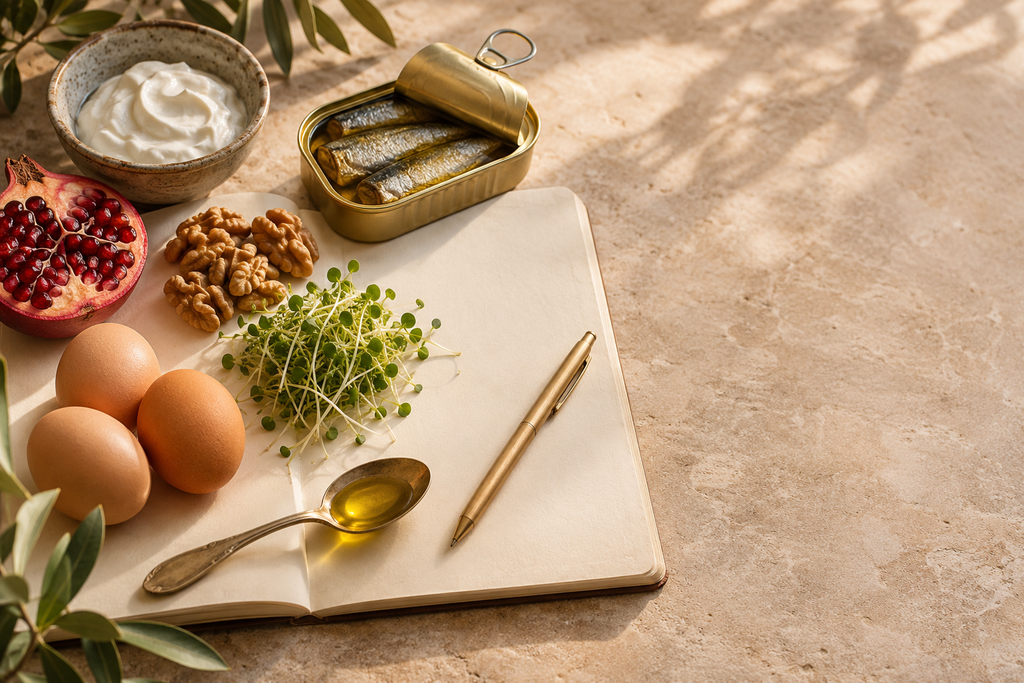
Food Is Information. Here's What Your Meals Are Telling Your Body to Do.
In short: Every meal sends your cells instructions. Protein says build and repair. Movement and the gap between meals say clean up. Carbohydrates say store. Plants switch on your cells' own defences, fiber feeds the gut bacteria who talk back, and the time you eat sets your body clock. Blood sugar is the signal you feel most directly, and nearly everything here works by... -
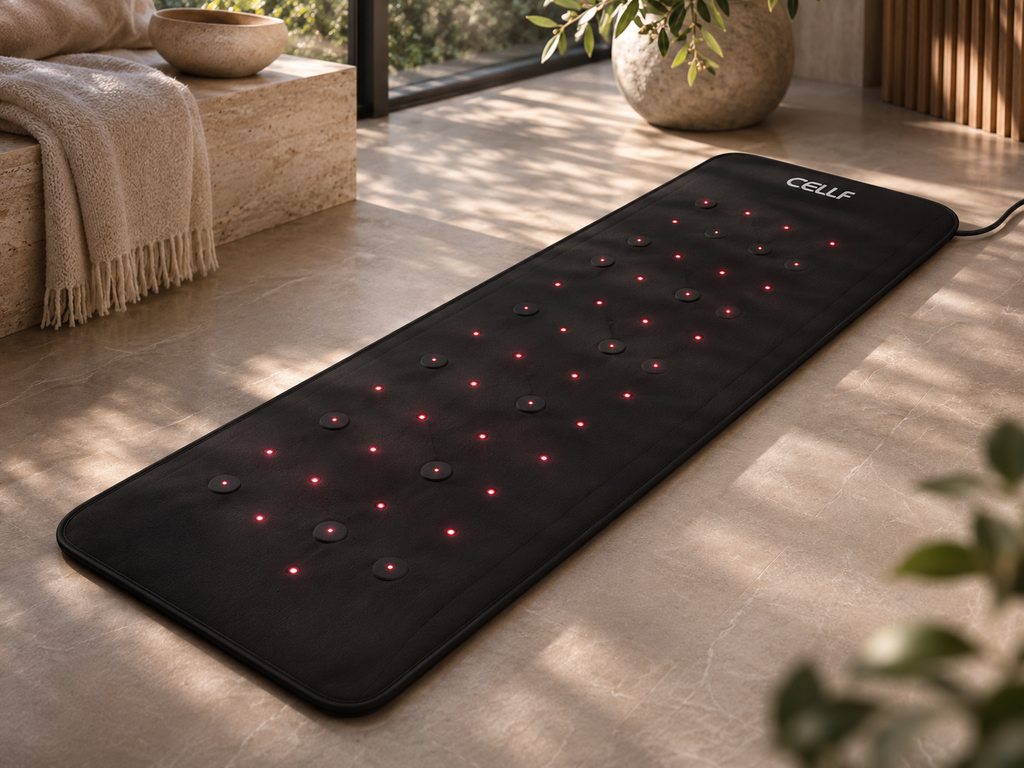
Why Do Some PEMF Devices Cost $9,000? What Are You Actually Paying For?
I was comparing PEMF mats and therapy devices recently and couldn't help noticing how enormous the price differences are. Some full-body PEMF systems cost under $2,000, while others approach $10,000, complete with tablets, extensive frequency libraries, guided audio sessions, and personalized wellness programs. The presentations are impressive, but I started wondering how much of that price reflects the actual technology and how much is... -

Feeling Heavy After Meals? 3 Food Habits Worth Rethinking
In short: Post-meal bloating in people who already eat well usually traces back to three food habits: foods that keep the gut mildly irritated (refined sugar, industrial seed oils, processed meats, trans fats), ingredients that disrupt gut bacteria (artificial sweeteners, emulsifiers, alcohol), and fiber that was increased too fast without enough water. Mayo Clinic recommends raising fiber by about 3 grams a week toward... -
How to Improve Focus by Working With Your Brain, Not Against It: A Daily Neuroplasticity Routine
In short: If you want to improve focus, memory and mental energy, the most reliable route is to work with how your brain already changes. Your brain physically rewires based on what you repeat, at any age. That's neuroplasticity, and it runs on a few conditions you can set every day: focused attention in blocks of about 90 minutes, a morning that uses light,... -

PEMF Therapy vs. Red Light Therapy for Dogs: Which Is Better?
I've spent years developing red light therapy devices, and lately I've been looking more closely at how PEMF therapy and red light therapy for dogs are being marketed. What's interesting to me is how many companies are taking technologies that have been used in human and animal wellness for years, repackaging them as specialized pet products, and charging a premium. Both technologies have earned... -
Eating Less and Doing More Stopped Working. Here's Why.
She's done everything right, at least by the rules we were all handed. She knows the calories in a banana without looking. She's done the 6am spin classes, the cleanses, the plan her sister swore by and the one before that. For years, it more or less worked. Then, somewhere in her late thirties or forties, it simply stopped. Now she eats less than... -

Is Your Ponytail Getting Thinner? Hair Loss in Your 40s and Beyond
Is Your Ponytail Getting Thinner? Hair Loss in Your 40s and Beyond It usually starts with something small. Your ponytail wraps around one more time than it used to. Your part looks a little wider under the bathroom light. There's more hair in the shower drain, on your brush, on your pillow. Maybe you've started styling your hair differently to hide a spot near... -

LED Facial Protocol and Aftercare for Spas and Clinics
A repeatable LED facial protocol helps staff deliver a consistent experience and gives clients realistic instructions for home care. It should start with the device manual and your clinic's screening policy. Here's the protocol I recommend for treatment rooms. Adapt it to the device you use, the services you pair with it, and the qualifications of your team. Step 1: Screen before you treat... -

The Perimenopause Belly: Why Your Body Changed When the Scale Didn't
You're wearing the same jeans you wore three years ago. They still button. The scale hasn't moved much either. And yet your body feels completely different. Your waist is thicker. There's a soft layer around your middle that wasn't there before. Your arms and legs feel less firm, even though you haven't stopped moving. And the things that used to work, eating a little... -

LED Therapy Spa Retail: From Treatment Room to Home Routine
Most spa owners I speak with love LED as a service. Fewer realize it's also one of the most natural ways to grow retail. LED results build with consistency. That creates a genuine reason for clients to keep the routine going between visits, which is the easiest kind of retail conversation there is. Why LED clients are ready for home care Clients who have... -

LipoMat vs. LipoWrap: The Honest Guide to Choosing Your NuShape Device
"Jess, which one should I get?" Well, this is a question I answer a lot, but before I tell you which device is right for you, I want to clear up something important, because it changes how you'll use either one. Our red light is not just for contouring. Yes, the LipoWrap built its reputation on helping people reshape stubborn areas. But the 635nm...