In short: Post-meal bloating in people who already eat well usually traces back to three food habits: foods that keep the gut mildly irritated (refined sugar, industrial seed oils, processed meats, trans fats), ingredients that disrupt gut bacteria (artificial sweeteners, emulsifiers, alcohol), and fiber that was increased too fast without enough water. Mayo Clinic recommends raising fiber by about 3 grams a week toward 30–40 grams a day. Fix those three things and most people feel noticeably lighter after meals within a few weeks.
You ate a normal lunch. An hour later your jeans feel a size smaller, your stomach is tight and puffy, and you're wondering what you did wrong. Most of the time, nothing dramatic. That after-meal heaviness is usually your digestive system reacting to a handful of very common food habits, and it tends to show up long before anything changes on a scale.
This has nothing to do with calorie counting. Think of your gut as an interpreter. It reads what you eat and responds to the quality of it: how much irritation it causes, how your gut bacteria handle it, and whether the fiber is arriving in a way your body can process. Get those three things right and the tight, heavy feeling has a lot less reason to show up.
Here are the three culprits that come up again and again, and the swaps that help.
A quick note before we start. If you've looked this up before, you've seen the standard list: beans, broccoli and cabbage, onions and garlic, dairy, fizzy drinks, sugar-free gum. Those are real triggers for a lot of people, and if one of them sets you off, trust that. But plenty of people have already cut those and still feel heavy after meals. This post is for them, because the three culprits below hide inside foods that look perfectly healthy.
1. Foods that keep your system irritated
Some foods leave your body a little inflamed every time you eat them. Over weeks and months that low-grade irritation makes it harder for your gut to do its job calmly, and a lot of people feel it as puffiness, sluggish digestion and that sense of carrying extra water after meals.
The usual suspects, and what to reach for instead:
-
Sugar and refined carbs (soda, candy, pastries, white bread, most pasta) send blood sugar up fast and leave your body working to bring it back down. Better options that still feel like a treat: sprouted grains, quinoa, sweet potatoes, berries, nuts, and dark chocolate with a high cocoa percentage.
-
Industrial seed oils (soybean, corn, canola, anything labelled "vegetable oil") are easy to overdo because they're in almost everything packaged. Cook with olive oil, avocado oil, coconut oil or ghee, and read the label on dressings and sauces.
-
Processed meats (hot dogs, bacon, deli slices, sausages) bring nitrates and a lot of sodium, and sodium is one of the fastest routes to feeling puffy. Wild-caught salmon, pasture-raised poultry and grass-fed beef give you the protein without the baggage.
-
Artificial trans fats (margarine, fried fast food) are the one category almost every nutrition camp agrees on. Grass-fed butter or almond butter does the same job on toast.
You don't have to clear all of these out at once. Pick the one you eat most often and swap that first.
2. The quiet gut disruptors
A comfortable stomach depends on the trillions of bacteria living in your gut, and a few modern ingredients are surprisingly hard on them. These are the ones that often hide in "healthy" products.
Artificial sweeteners. Sucralose and aspartame show up in diet sodas, protein powders, flavoured waters and sugar-free everything. A 2022 randomized trial of 120 healthy adults published in Cell found that two weeks of sucralose or saccharin worsened glucose tolerance in some people, and that all four sweeteners tested (including aspartame and stevia) changed the makeup or activity of gut bacteria. If you want sweetness, stevia, monk fruit or a small amount of raw honey are easier on your gut.
Emulsifiers. Ingredients like polysorbate-80 keep protein bars smooth and diet drinks from separating, and a well-known 2015 study in Nature showed that polysorbate-80 and carboxymethylcellulose thinned the protective mucus layer and pushed bacteria closer to the gut wall in mice, driving low-grade inflammation. Human trials are still catching up, but the mechanism is a good reason to keep these ingredients occasional. Scan the ingredient list on anything that promises to be "creamy" without cream.
Alcohol. A couple of drinks can thin out the helpful microbes and give the less helpful ones room to spread. If you drink, keeping it to one or two and rehydrating afterwards makes a real difference. A homemade electrolyte drink works well: water, a squeeze of lemon and a pinch of Celtic sea salt.
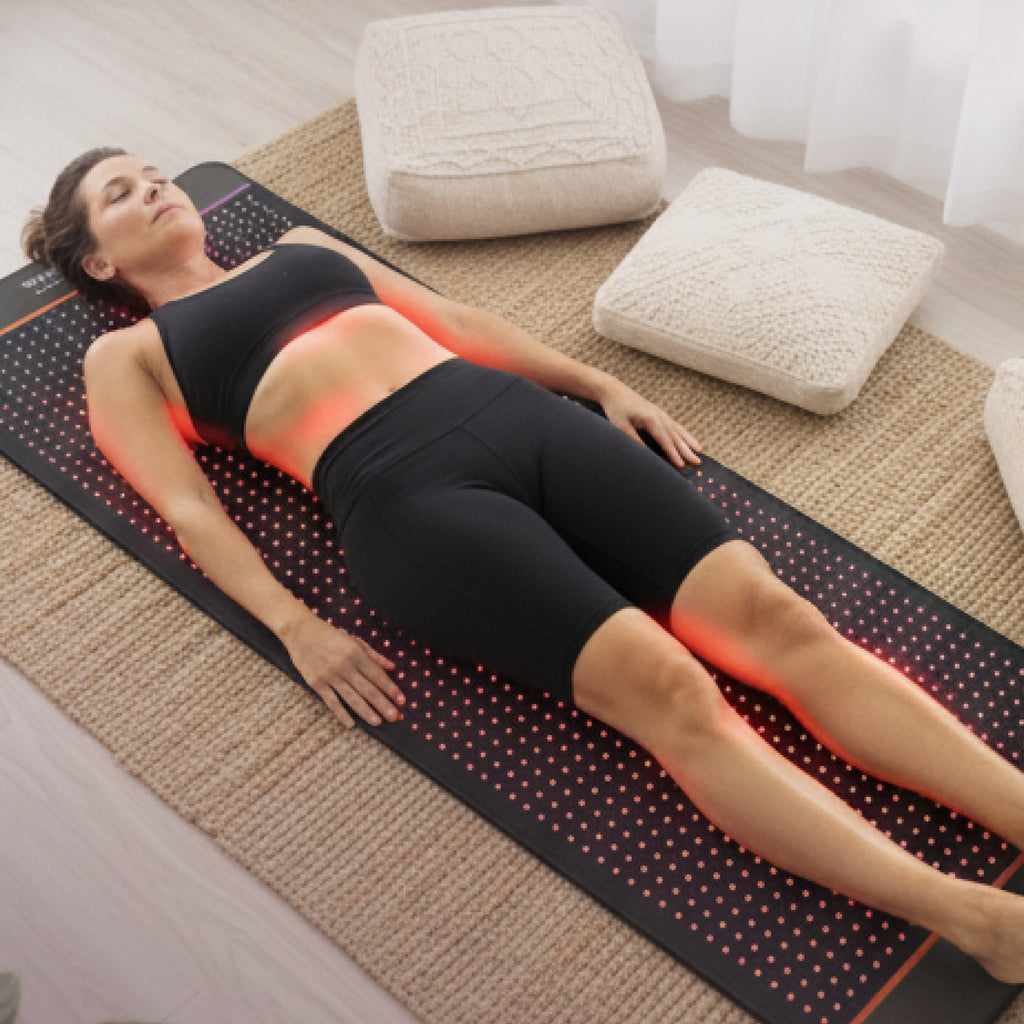
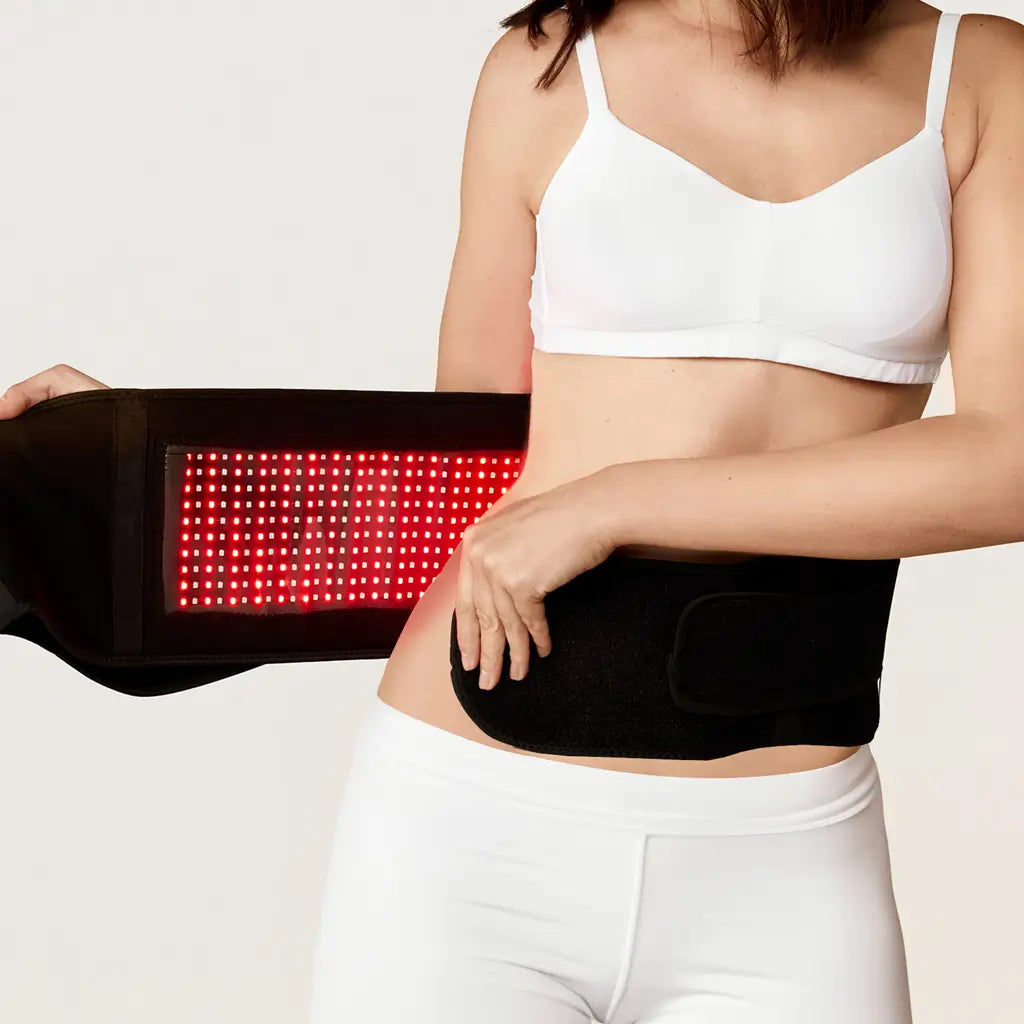
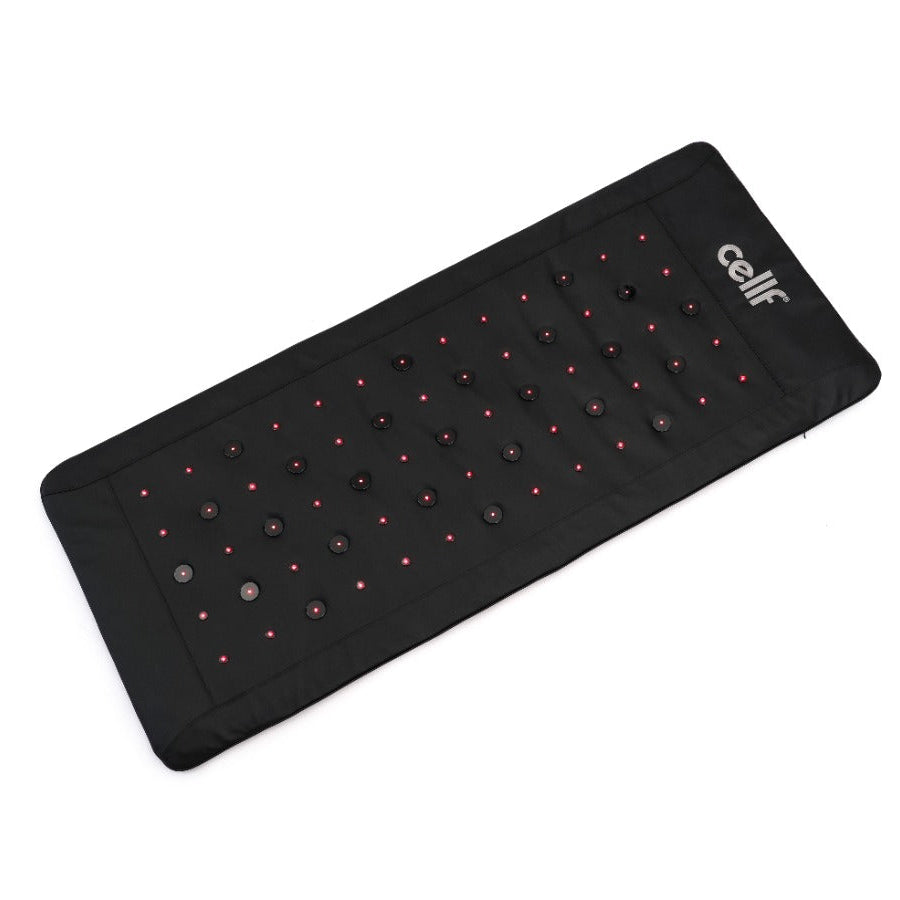
Stress belongs in this section too, even though it isn't a food. Digestion runs best when your nervous system is in rest-and-digest mode, which is why so many people feel worse after eating at their desk or in the car. If evenings are the only calm part of your day, use them. Lying on the Cellf Multi-Therapy Mat for twenty minutes after dinner, or wrapping up in the gentle warmth of the LipoWrap while you read, is a simple way to signal to your body that the rushing is over.
3. Fiber mistakes (yes, you can get fiber wrong)
Fiber is one of the best things you can eat for digestion, appetite and steady blood sugar. It's also the number-one reason people who start eating clean suddenly feel more bloated than before. Almost every time, the way it was introduced is the problem.
The most common mistakes:
-
Jumping from very little fiber to a lot of it overnight
-
Adding fiber without adding water
-
Leaning on supplements instead of whole foods
-
Eating huge raw salads when your gut isn't used to them
-
Eating the same one or two fiber sources every day
The fix is slower than most people want, and it works. Mayo Clinic suggests adding roughly 3 grams of fiber a week and holding there for a week or so before adding more, with plenty of water alongside. A practical version of that: start around 15 grams a day if you're currently low, add about 5 grams a week, and settle somewhere between 30 and 50 grams depending on how you feel.
While you ramp up, favour the gentler, soluble kind of fiber: chia seeds, ground flaxseed, avocado, berries and cooked vegetables rather than mountains of raw ones. Pairing fiber with good fats helps too. Avocado with flaxseed over greens, or chia soaked in coconut milk, keeps you full longer and keeps blood sugar steadier than fiber on its own.
One honest caveat. If you already have a diagnosed gut condition, or you get noticeably worse every time you add fiber, work on calming your gut first with your doctor's guidance before you push the numbers up. More fiber on top of an unhappy gut tends to make everything louder.
The takeaway
What the food does on the way through matters far more than how much of it you ate. Lower the irritation, protect the bacteria that do the work, and bring fiber in slowly with enough water, and most people notice their stomach feels calmer within a few weeks.
Food is the foundation. Light and warmth are a lovely way to support it, especially on the evenings when you need a reminder to slow down. If you'd like to make that part of your routine, the LipoWrap is the easy one to wear around the house, and the full-body LipoMat is for the nights you want to lie down and let everything settle.
Questions people ask about this
Why do I feel more bloated since I started eating healthy? Usually because fiber went up fast. Big salads, beans, chia, oats and veg all at once give your gut bacteria far more to ferment than they're used to, and the gas has nowhere to go. Slow the ramp down, add water, and lean on cooked vegetables and soluble fiber for a few weeks while your gut catches up.
How long does the bloating last when you increase fiber? For most people a few days to a couple of weeks per step up, as long as the step is small (around 3 to 5 grams a week) and you're drinking enough water. If it drags on past a month or gets worse, that's a sign to pause and talk to your doctor rather than push through.
Do artificial sweeteners cause bloating? They can. Sucralose and aspartame have been linked to shifts in gut bacteria, and sugar alcohols like sorbitol and xylitol ferment in the gut and are a well-known cause of gas. If you drink diet soda or eat a lot of "sugar-free" products and feel puffy, that's a good place to start.
What should I drink to feel less bloated after eating? Still water, ideally through the day rather than a litre with your meal. After a heavy meal, warm water with lemon, or peppermint or ginger tea, is gentler than anything fizzy. If you've had alcohol, water with a squeeze of lemon and a pinch of Celtic sea salt helps you rehydrate properly.
Sources
-
Kashyap P. Mayo Clinic Q&A: Why is fiber good for your overall health? Mayo Clinic News Network, March 2026.
-
Suez J, et al. Personalized microbiome-driven effects of non-nutritive sweeteners on human glucose tolerance. Cell, 2022;185(18):3307–3328.
-
Chassaing B, et al. Dietary emulsifiers impact the mouse gut microbiota promoting colitis and metabolic syndrome. Nature, 2015;519:92–96.
About the author
Jessica Charles is the founder of NuShape and Cellf, two wellness brands built around a simple idea — that restoring cellular health is the foundation of lasting energy, balance, and beauty.
Drawing from years of experience in red-light therapy, infrared heat, and natural recovery technologies, she helps women — and the wellness centers that serve them — bridge the gap between science and daily practice.
Her work focuses on helping the body do what it's designed to do: repair, rebalance, and renew. Through accessible, evidence-based tools like light, heat, and cold, she's seen thousands of women regain energy, stability, and confidence in their own biology.
Jessica believes true wellness isn't about extremes — it's about creating the right conditions for the body to remember how to heal itself.
The Fine Print (Yes, We Have to Say It)
We read the studies so you don't have to, but sharing research about light, the body, and wellness now comes with a mandatory footnote, thanks to the big tech giants. So here it is: this article is for educational purposes only and is not medical advice. Our devices are wellness tools, not medical devices, and are not intended to diagnose, treat, cure, or prevent any disease. Results vary from person to person. Please check with your healthcare provider before starting anything new, especially if you're pregnant, nursing, managing a health condition, or taking medication. Now go forth, stay curious, and get some good light.
Shop the LipoWrap | Shop the Cellf Multi-Therapy Mat | Shop the LipoMat