What if light could do more than simply help you see?
Red and near-infrared light have become increasingly popular in the wellness world as people look for non-invasive ways to support skin health, recovery, cellular function, relaxation, and everyday performance.
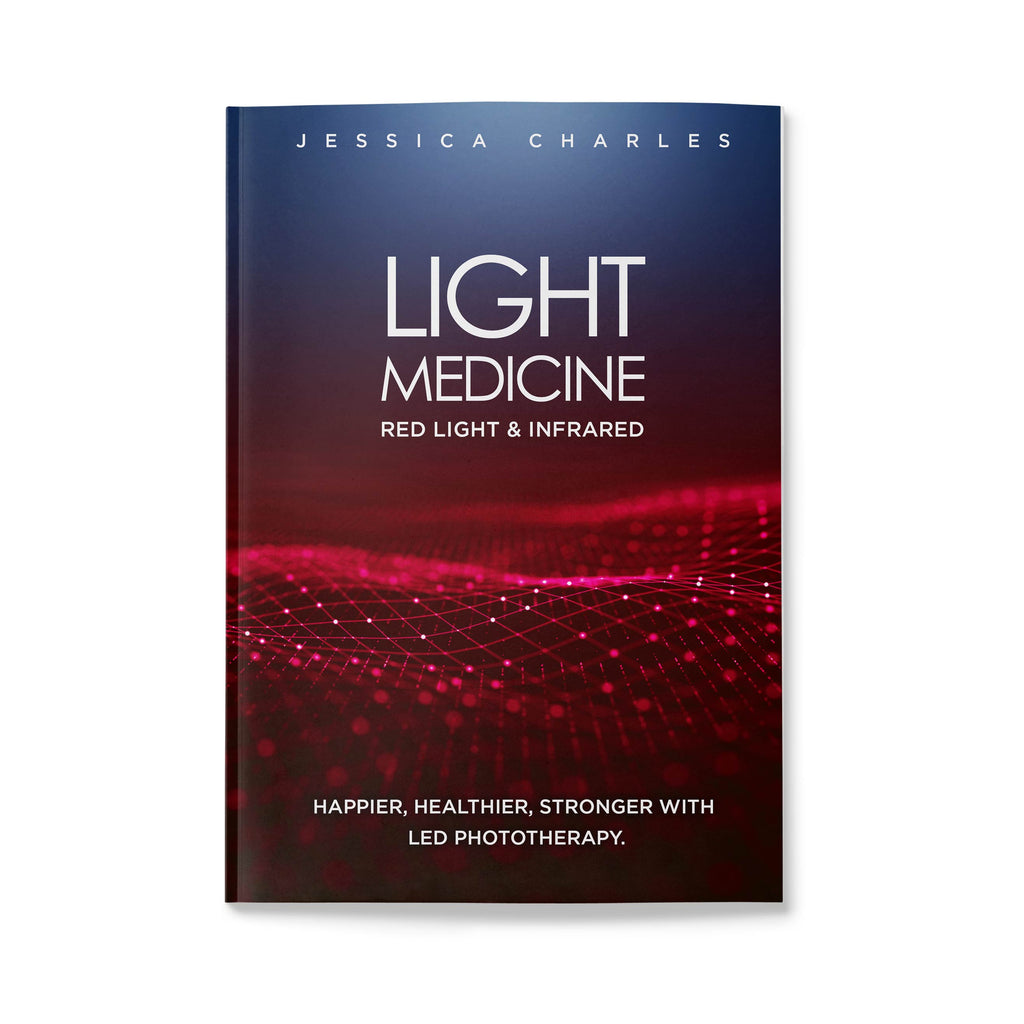
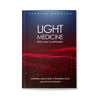
But red light therapy isn't simply another wellness trend. The history of therapeutic light stretches back generations, while modern phototherapy has evolved alongside research into LEDs, cellular energy, circulation, and the biological effects of different wavelengths of light. Light Medicine traces this progression from early phototherapy through the development of modern red and near-infrared light applications.
So, what exactly happens when you expose your body to red or near-infrared light?
What Is Red Light Therapy?
Red light therapy is a form of light-based wellness therapy that exposes the body to specific wavelengths of red and/or near-infrared light.
You may also hear it referred to as photobiomodulation (PBM), low-level light therapy (LLLT), or simply LED light therapy.
Unlike ultraviolet light, red and near-infrared wavelengths are used for their interaction with cells and tissues rather than tanning the skin.
One important distinction is depth.
Red light is generally used closer to the surface, making it especially relevant for applications involving the skin. Near-infrared light, meanwhile, penetrates more deeply and is commonly incorporated into devices designed for muscles, joints, recovery, and broader wellness applications.
That is one reason many modern red light therapy devices combine multiple wavelengths rather than relying on a single type of light.
How Does Red Light Therapy Work?
At the heart of red light therapy is something you probably haven't thought about since biology class:
Your mitochondria.
Mitochondria are responsible for producing much of the usable energy your cells need. That energy is stored in a molecule called adenosine triphosphate, or ATP.
According to Light Medicine, red and infrared light interact with mitochondrial processes associated with ATP production. The book also discusses nitric oxide as another important part of the response, connecting it with circulation and the delivery of oxygen and nutrients to tissues.
Think of ATP as cellular fuel.
Your skin cells need energy. Your muscle cells need energy. Your brain needs enormous amounts of energy. And your body's repair and regeneration processes depend on functioning cells having the resources they need.
This cellular perspective is one of the reasons red light therapy has become relevant across so many areas of wellness.
7 Potential Benefits of Red Light Therapy
1. Supports Cellular Energy
One of the most fundamental reasons people use red light therapy is its relationship with mitochondrial function and ATP production.
When cells have adequate energy available, they are better equipped to perform their normal functions.
The book describes increased ATP production as one of the central mechanisms behind light therapy and connects it with cellular regeneration and protein synthesis.
Rather than thinking of red light therapy as targeting only one wellness goal, it can be useful to think of it as a technology designed to interact with processes happening at the cellular level.
2. Supports Healthier-Looking Skin
Skin rejuvenation is one of the best-known applications of red light therapy.
Collagen provides structural support to the skin and plays a major role in firmness and elasticity. As collagen production naturally changes with age, fine lines, wrinkles, and changes in texture become more noticeable.
Red light therapy is used to support collagen production, cellular turnover, circulation, and skin rejuvenation. Light Medicine specifically highlights the 660nm wavelength in its discussion of collagen and skin applications.
That makes red light therapy particularly appealing to people looking for a non-invasive addition to their skincare routine.
Potential skin-focused goals include:
-
Supporting smoother-looking skin
-
Improving the appearance of fine lines and wrinkles
-
Supporting skin firmness and elasticity
-
Promoting a more even-looking complexion
-
Supporting recovery and healthy-looking skin
And unlike many conventional beauty treatments, LED red light therapy can be incorporated into a regular routine at home.
3. Supports Muscle and Workout Recovery
Recovery isn't just about taking a day off.
After training, your body needs to restore cellular energy, manage the normal inflammatory response to exercise, repair tissue, and prepare for your next workout.
That's where red and near-infrared light therapy becomes particularly interesting.
The book discusses light therapy in connection with circulation, cellular regeneration, muscle relaxation, tissue repair, and ATP production.
For athletes and active people, this makes red light therapy an increasingly popular component of a broader recovery routine alongside sleep, hydration, mobility, and nutrition.
4. Supports Joint and Muscle Comfort
Near-infrared light can penetrate more deeply than visible red light, which makes it particularly relevant when targeting areas beneath the surface of the skin.
Research discussed in Light Medicine explores low-level light therapy in connection with joint and musculoskeletal comfort and highlights the importance of delivering the appropriate dose.
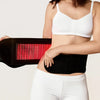
For someone who trains frequently, spends long hours sitting at a desk, or simply wants to support comfortable movement, a wearable red and near-infrared light therapy device can make targeted sessions easier to incorporate into daily life.
5. Supports Circulation
Another key mechanism discussed in red light therapy is nitric oxide.
Nitric oxide plays an important role in blood-vessel function and circulation. The book explains that red and infrared light therapy can influence nitric oxide-related processes, helping increase local circulation and the delivery of oxygen and nutrients.
Better local circulation is relevant to numerous wellness goals because tissues depend on blood flow to receive oxygen and nutrients.
This is also one reason light therapy can fit naturally into both recovery and performance routines.
6. Supports Cognitive Wellness
Red and near-infrared light therapy isn't limited to the body.
An emerging area of photobiomodulation research focuses on transcranial light therapy—applying specific wavelengths of light to the head.
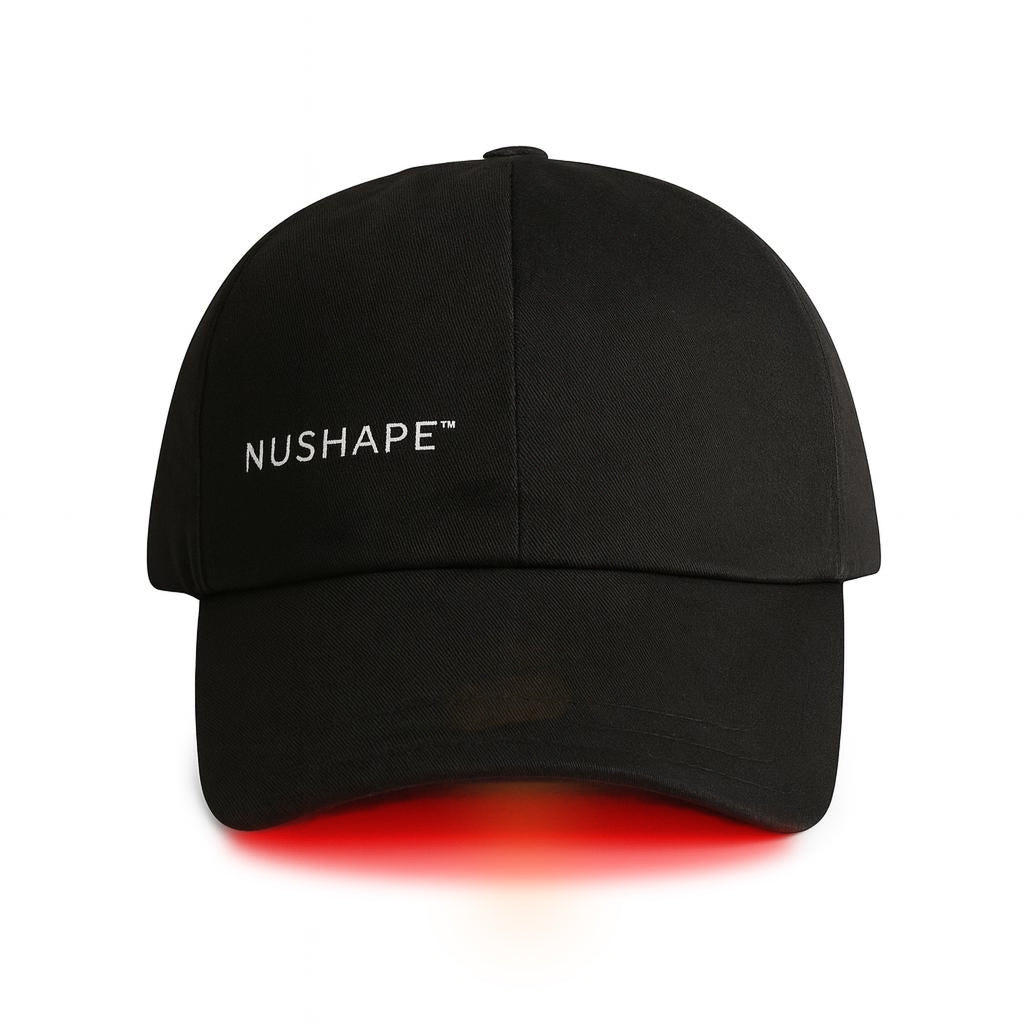
Nushape's NeuroWrap, for example, uses an 810nm wavelength along with 10Hz and 40Hz pulsing settings, which the book discusses in relation to stress, memory, cognition, and brain wellness.
This is a specialized area of light therapy, and the wavelength, frequency, positioning, power, and treatment protocol all matter.
7. Makes At-Home Wellness More Accessible
One of the biggest changes in red light therapy isn't necessarily the underlying science. It's accessibility!
Treatments that once required a visit to a clinic or spa can increasingly be incorporated into an at-home routine using wearable wraps, masks, mats, and other targeted devices.
Nushape was developed around this idea of bringing professional-grade light therapy into the home. The product range uses different wavelength combinations for different applications, including skin, body, recovery, and cognitive wellness.
Red Light vs. Near-Infrared Light: What's the Difference?
Although they're frequently combined, red and near-infrared light aren't exactly the same.
Red light is visible to the human eye and is commonly associated with surface-level applications, particularly skin.
Near-infrared light is invisible and penetrates more deeply, making it useful for applications involving deeper tissues.
That's why you'll often see quality devices combine wavelengths.
For example, Nushape products use combinations including 635nm, 660nm, 810nm, 830nm, and 850nm, depending on the device and intended application.
The takeaway?
More isn't automatically better. The right wavelength and dose for your goal matter.
How to Incorporate Red Light Therapy Into Your Wellness Routine
Consistency is one of the most important elements of an at-home red light therapy routine.
Think about red light therapy in the same way you think about exercise, skincare, nutrition, or sleep: a single session isn't the entire strategy.
Your ideal routine will depend on the device you're using and your wellness goal. Treatment time, frequency, wavelength, power density, and placement can all influence your experience.
The book also recommends starting with clean, dry skin because products such as makeup and sunscreen may interfere with light reaching the skin.
Always follow the specific instructions provided with your device rather than assuming every red light therapy product requires the same protocol.
Which Nushape Red Light Therapy Device Is Right for You?
One advantage of wearable and targeted light therapy is the ability to choose a device based on the area and wellness goal you're addressing.
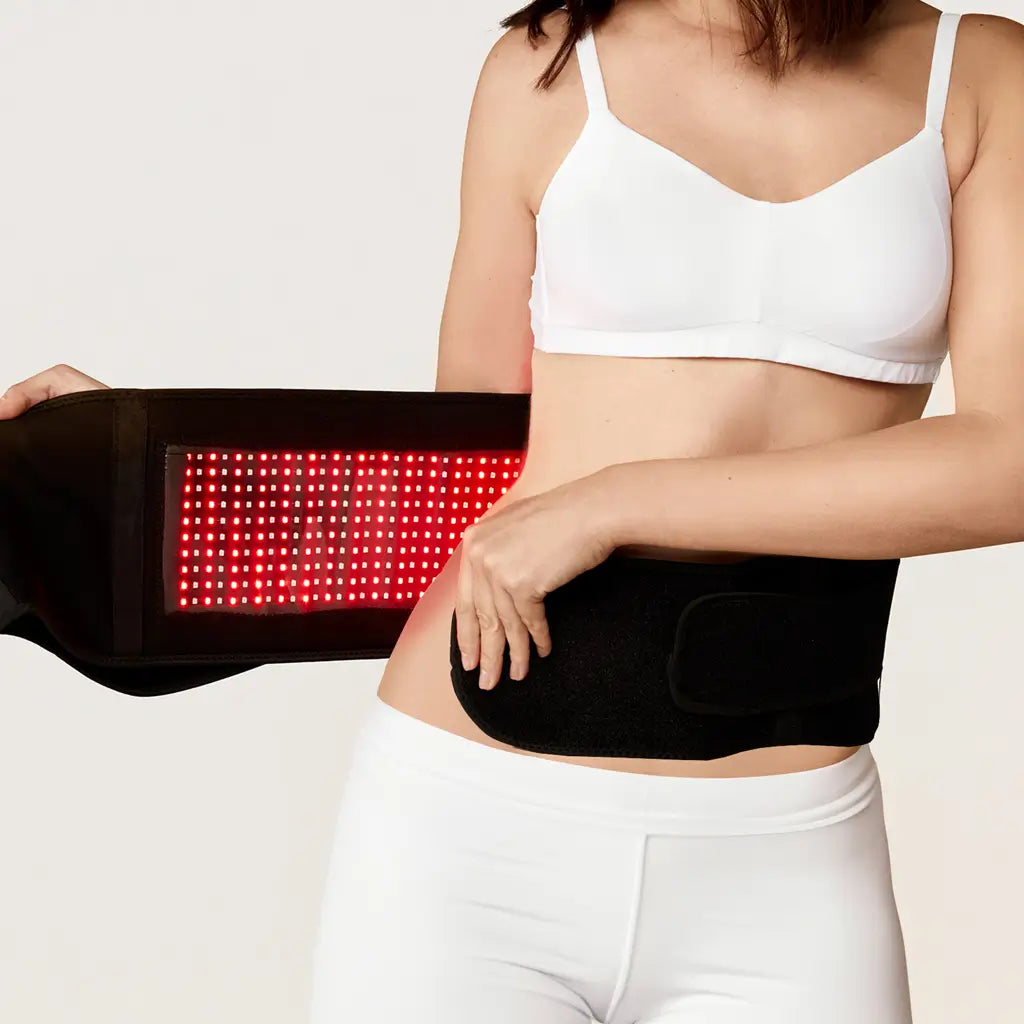
Nushape's range includes targeted wraps, full-body devices, skincare devices, and brain-focused technology. The Light Medicine guide describes the Therapy Wrap as a versatile option using red and infrared light for skin, body wellness, recovery, and hair applications, while the Lipo Wrap uses 635nm red and 850nm near-infrared wavelengths for body-focused applications.
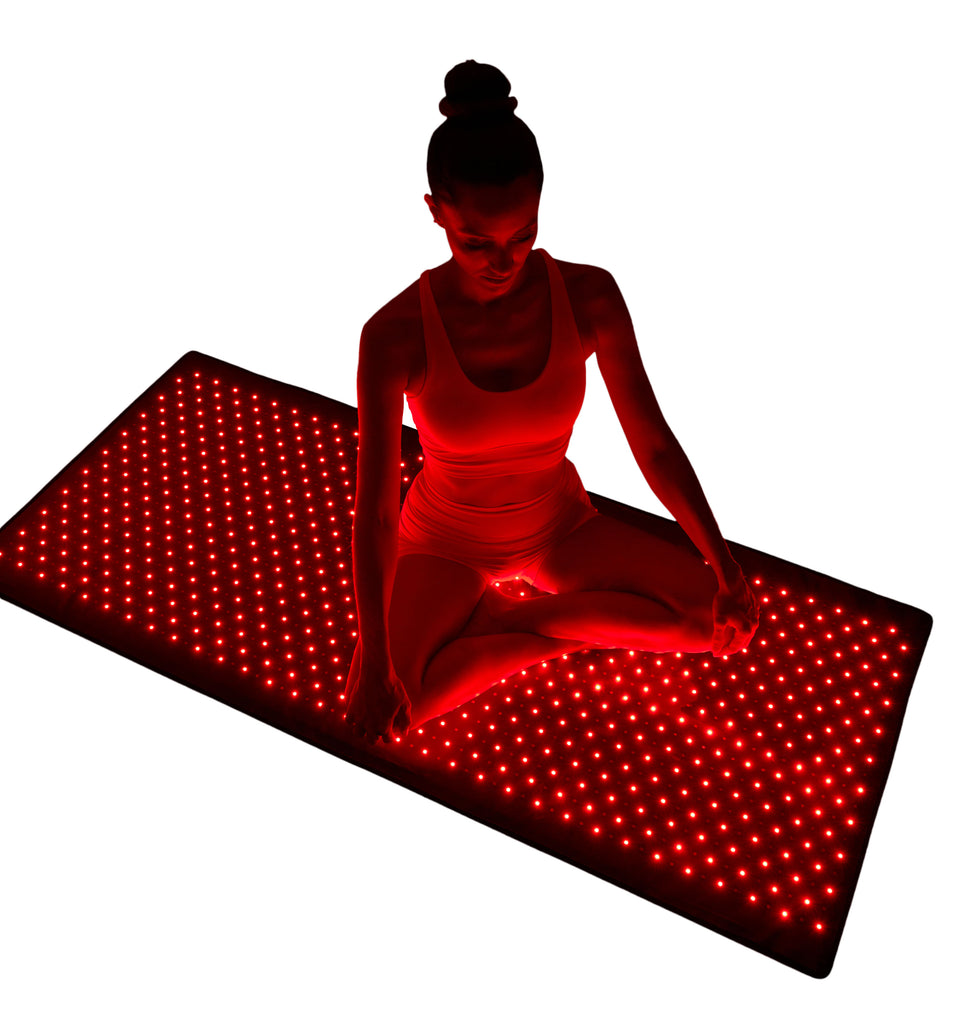
For more comprehensive sessions, the Therapy Mat offers full-body red and near-infrared exposure. The guide describes it as incorporating 1,408 LEDs and multiple programs for full-body therapy, recovery, and energy-focused sessions.
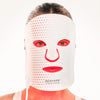
For skincare, targeted devices such as the Face Mask combine multiple wavelengths designed around complexion, inflammation, fine lines, elasticity, and overall skin appearance.
The best device ultimately comes down to a simple question:
What do you want your light therapy routine to accomplish?
Light Is Part of Your Biology
There's another lesson from Light Medicine that's easy to overlook.
Humans weren't designed to spend nearly every waking hour indoors under artificial lighting.
Natural light helps regulate biological processes, including our circadian rhythm. The book recommends morning sunlight, daylight breaks, reducing excessive artificial blue-light exposure in the evening, spending more time outdoors, and incorporating red light therapy as part of a balanced modern lifestyle.
Red light therapy shouldn't replace healthy exposure to the natural world.
It can complement it.
Sleep well. Move your body. Eat nourishing foods. Get outside. Manage stress. And use technology strategically to support the biological systems that already exist within you.
The Future of Wellness May Be Brighter Than We Think
Red light therapy represents an interesting intersection between technology and biology.
Instead of introducing a substance into the body, photobiomodulation uses specific wavelengths of light to interact with biological processes already taking place inside our cells.
From skin rejuvenation and cellular energy to workout recovery, circulation, and cognitive wellness, the applications being explored continue to expand.
And perhaps the biggest advancement is that this technology no longer has to remain confined to a professional clinic.
With thoughtfully designed at-home red light therapy devices, light can become part of a consistent wellness routine—whether you're getting ready for your day, recovering after a workout, caring for your skin, or winding down at night.