And why it may have less to do with willpower than you think...
There’s a version of perimenopause nobody really warns you about. The glass of wine at the end of the day suddenly feels harder to skip. Sugar starts calling at four in the afternoon. You’re more tired, sleep is less predictable, stress seems to land differently, and somehow chocolate, bread, or wine can feel like the fastest route to feeling better.
It’s very easy to look at that and decide you’ve simply become less disciplined.
I think cravings are much more interesting than that.
One of the most useful questions I’ve learned to ask is not just what am I craving? It’s: what am I trying to feel after I have it?
Wanting wine when your entire body feels tense is different from wanting chocolate because you’re mentally exhausted. Both are different from suddenly needing sugar because you barely ate all day.
Hormonal shifts around PMS, perimenopause, and menopause can coincide with stronger sugar cravings, and for some women, the urge to reach for alcohol as a way to calm down can become stronger too.
Once you start looking at cravings this way, they stop being one big willpower problem and start giving you useful information.
Pattern 1: If you want wine because you need to come down
This is probably one of the easiest patterns to recognize. Your shoulders are tight, your jaw is clenched, you’ve been “on” all day, and a glass of wine feels less like that sounds nice and more like I need something to take the edge off.
GABA is one of the brain’s main calming neurotransmitters, and this physically tense, wound-up type of craving is one reason it comes up so often in conversations around stress, sleep, and cravings. The same pattern can involve reaching for alcohol, carbohydrates, or sweets because they temporarily create the feeling you’re actually looking for: calm.
The useful takeaway isn’t to decide that every tense woman has “low GABA.” It’s to notice what the wine is doing for you. Sometimes you aren’t craving the drink nearly as much as you’re craving the feeling of finally coming down a few gears.
This is also why nervous-system tools have become such a big part of how I think about perimenopause. If the real need is I need to feel calmer, I want more than one way to create that state.
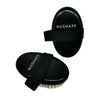
SEE HOW I USE THE NEUROWRAP PULSE →
Pattern 2: If the craving comes with overthinking
This one feels different. You may not feel particularly tense in your body, but your brain is done. You’re replaying conversations, thinking about tomorrow, feeling unusually irritable, or carrying twelve things in your head at once. Somewhere in the late afternoon or evening, sugar suddenly starts sounding very important.
Tryptophan and 5-HTP often come up in nutritional approaches to this kind of craving because they’re connected with serotonin pathways. The pattern described here tends to sit alongside things like rumination, negative self-talk, irritability, low mood, or trouble sleeping.
Again, I’m much more interested in recognizing the pattern than immediately reaching for a supplement. If sugar reliably appears at the exact point your brain becomes exhausted from thinking, that’s useful information.
Pattern 3: If you’re eating because you are simply exhausted
Sometimes there is considerably less mystery involved. You slept badly, skipped lunch, ran on coffee, barely ate any protein, and by three in the afternoon your body is demanding something fast, sweet, or starchy.
Before calling that emotional eating, look at what happened earlier in the day:
-
Did you eat enough?
-
Was there actual food at breakfast and lunch?
-
Have you been trying to make it through six hours on caffeine and good intentions?
Sometimes the body isn’t asking for a sophisticated biohack. It’s asking to be fed.
Pattern 4: If food or wine has become your reward
Then there’s the I deserve this craving. You worked, dealt with everyone else’s problems, answered the emails, made the decisions, and kept going when you were tired. Now you want the glass of wine, dessert, or snack on the couch that feels like the one thing that belongs to you.
That comfort-and-reward pattern is different again. DPA (d-phenylalanine) is one amino acid discussed in nutritional approaches to reward and comfort eating.
But the question I find more useful is whether food or alcohol has quietly become one of the only reliable rewards in your day.
Taking the reward away without paying attention to what it was giving you usually doesn’t work especially well. That doesn’t mean every glass of wine needs psychoanalysis; sometimes you just want a glass of wine. The distinction is whether you’re choosing it because you enjoy it or depending on it because you urgently need to feel different.
Pattern 5: If you suddenly need sugar right now
The shaky, irritable, ravenous craving is different again. You may feel light-headed or suddenly desperate to eat, and whatever intention you had about avoiding sugar disappears because your body wants something immediately.
Blood-sugar-related patterns are treated differently from stress or comfort eating, and glutamine is one amino acid discussed in nutritional approaches to this type of intense sweet craving.
But before making it a supplement problem, start with the obvious things:
-
When did you last eat?
-
Was there enough protein?
-
Have you been living on coffee?
-
Are these crashes happening because you regularly go too long without food?
If shakiness, light-headedness, or other concerning symptoms are happening often, that’s something to discuss with a healthcare professional rather than trying to solve entirely with wellness hacks.
5 Midlife Craving Patterns: At a Glance
|
Craving Type |
Main Physical/Mental Signal |
Primary Underlying Trigger |
Non-Food Shift to Try |
|
Wired & Tense |
Tight shoulders, jaw clenching |
Need for nervous system down-regulation |
Near-infrared + PEMF (NeuroWrap) |
|
Mental Overload |
Overthinking, rumination |
Brain fatigue / Serotonin pathway depletion |
Brain break, protein-first meals |
|
Pure Exhaustion |
Flat energy, afternoon crash |
Unfuelled body, skipped meals |
Balanced meal with solid protein |
|
Reward Seeking |
"I deserve this" mindset |
Lack of non-food daily rewards |
Structural downtime, non-food reward |
|
Glucose Crash |
Shakiness, irritability, sudden panic |
Blood sugar roller coaster |
Regular eating cadence, L-Glutamine |
The Pattern Matters More Than the Craving
“I have a sweet tooth” tells you very little.
“I want wine when I’m physically tense, chocolate when I’m mentally fried, bread when I haven’t eaten enough, and dessert when I feel like I deserve something” tells you quite a lot.
A simple way to start noticing your own pattern is to pay attention to how you feel immediately before the craving and what changes after you have what you wanted. That before-and-after shift can tell you much more than simply recording the food itself.
Why Perimenopause Can Turn Up the Volume
This is why I think women need a different conversation about cravings in midlife.
Perimenopause doesn’t happen in isolation. Sleep can become less predictable. Stress can feel harder to manage. Mood and PMS can change. Energy may become less consistent, and at exactly the same time, many women start noticing that their bodies seem to respond differently too.
Then the advice is usually some version of eat less, drink less, and have more discipline.
That feels incredibly incomplete to me.
If sugar or alcohol suddenly becomes harder to take or leave at the same time everything else in your body seems to be shifting, I think it makes sense to look more closely at the pattern instead of immediately deciding that the problem is you.
Where Amino Acids Get Interesting
Targeted amino acids are one interesting part of this conversation because different compounds are used for very different patterns.
GABA, tryptophan, 5-HTP, tyrosine, glutamine, and DPA aren’t interchangeable. Physical tension is not the same thing as rumination. Exhaustion isn’t comfort eating. Shaky hunger isn’t the same thing as wanting dessert because you’ve had a horrible day.
That’s exactly why I wouldn’t start by throwing all of them into one generic “mood” supplement and hoping for the best.
If targeted amino acids are something you want to explore, I prefer understanding the pattern first and looking at them individually rather than randomly stacking them. The approach behind this type of nutritional work also emphasizes trialing one amino acid at a time.
And quality matters. I’m selective about where I buy supplements, particularly individual amino acids. Pure Encapsulations and Doctor’s Best are two brands I tend to look to first when sourcing them.
Note: Some amino acids can interact with medications or may not be appropriate for everyone, so work with someone who understands them rather than building a supplement stack from social media.
SEE THE SUPPLEMENT BRANDS I RECOMMEND →
Simple Foundations First
Before I even look at supplements, I still want to know whether there’s a simpler problem underneath the craving:
-
Are you sleeping?
-
Are you eating enough protein?
-
Are you eating enough, period?
-
Are you physically tense all day?
-
Do you ever actually come down from stress without food or alcohol doing it for you?
Those answers matter immensely.
If your pattern is wired, tense, and unable to switch off
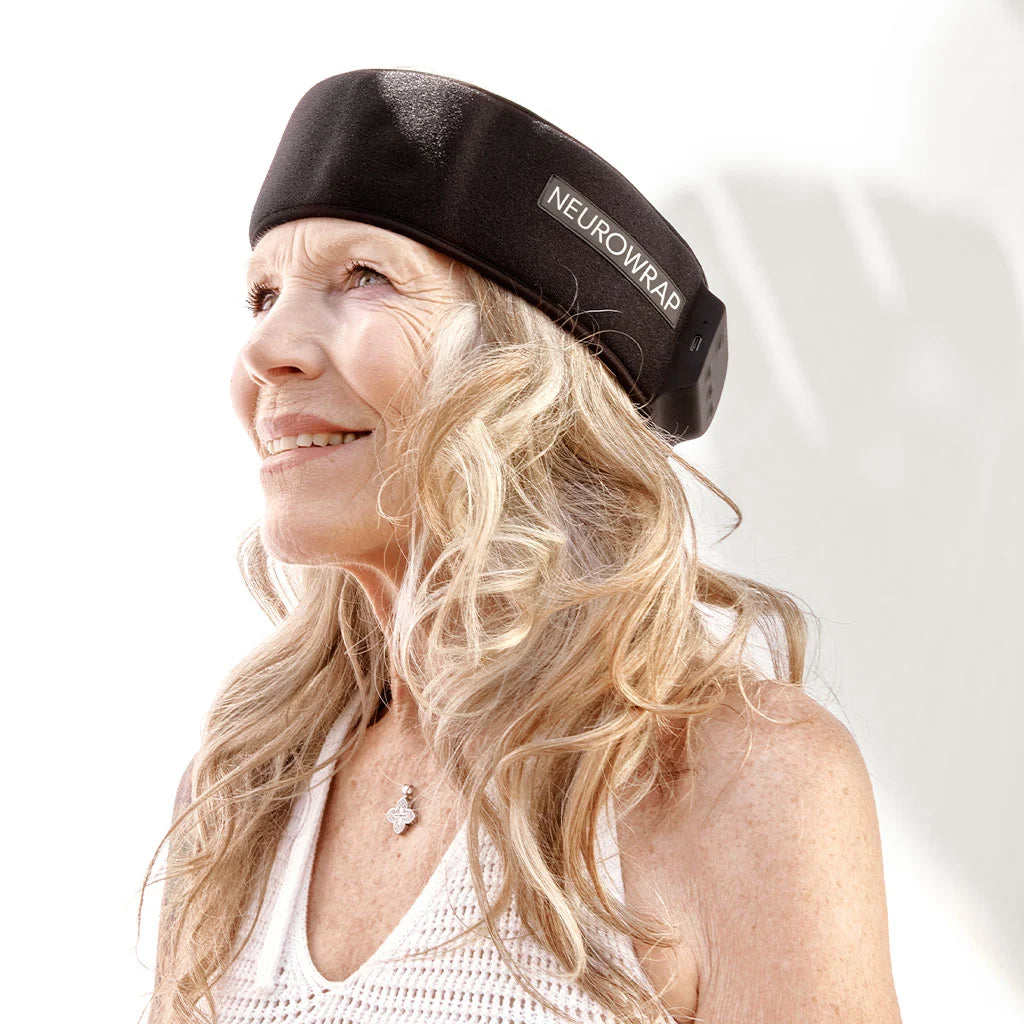
This is where the NeuroWrap Pulse fits naturally into my own approach.
It combines near-infrared light and PEMF in a wearable format that can be positioned around the head, including over the forehead. I particularly like having a tool like this during perimenopause because feeling wired, sleeping badly, having less tolerance for stress, and struggling to switch off often seem to travel together.
If mine is the I need something to take the edge off craving, I’m much more interested in changing my state than fighting with myself over what’s in the refrigerator.
The point isn’t that putting on a NeuroWrap magically removes a craving. It’s that it gives me another way to respond when what I’m really looking for is a way to slow down.
And then there’s the body-composition piece
The other frustration is that cravings can get louder at exactly the same time your body starts responding differently. Suddenly there’s more around the middle, the routines that worked ten years ago don’t seem to work quite the same way, and you’re trying to manage cravings while also wondering why your waist has become so much harder to influence.
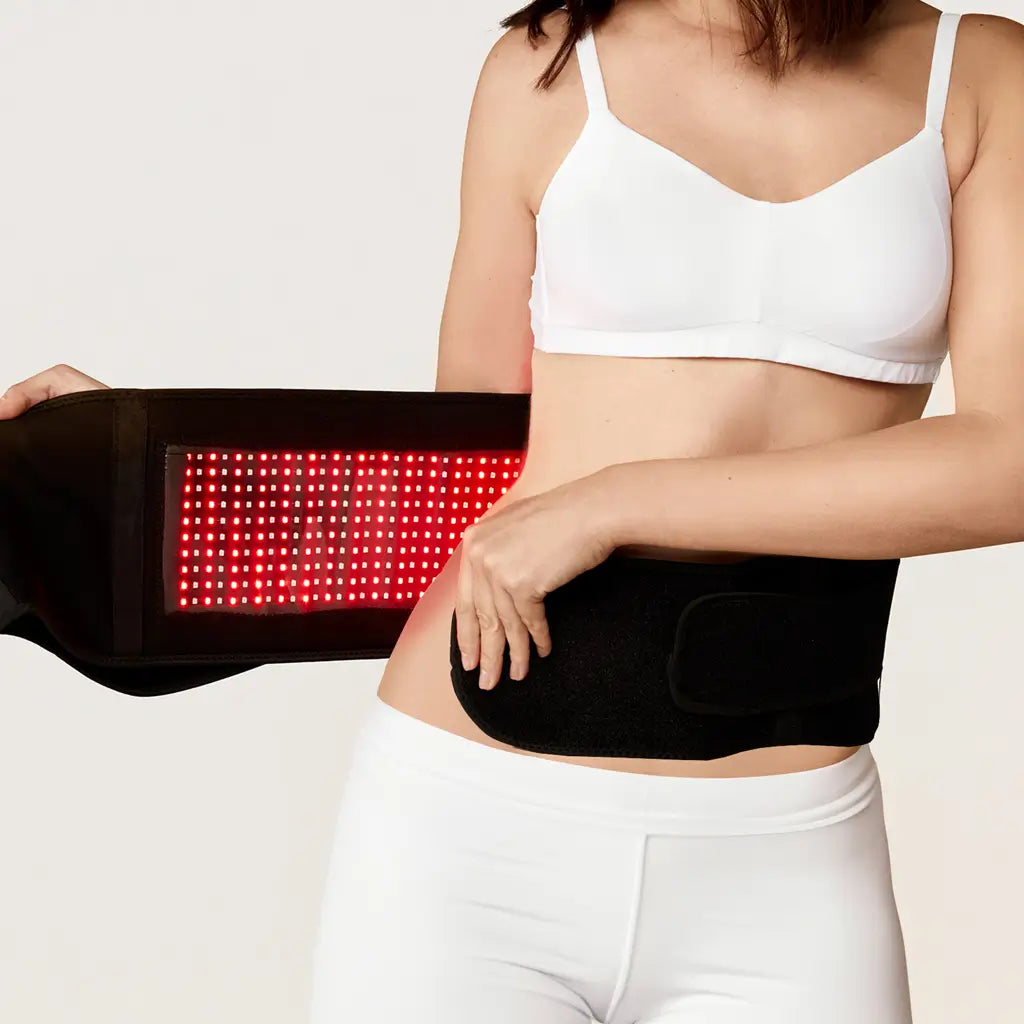
This is where the LipoWrap fits into my routine for a completely different reason.
Targeted red light gives me a way to work directly with areas like the abdomen, waist, hips, and thighs while I’m also doing the bigger things that matter for body composition—walking, strength training, eating enough protein, sleeping well, and paying attention to metabolic health.
I don’t use it instead of those things. I use it alongside them.
That has always been the way I think about wellness technology: supporting the body from more than one direction rather than expecting one device, one diet, or one supplement to fix everything.
Before You Try to Eliminate the Craving, Study It
If any of this sounds familiar, spend one week simply paying attention. Not tracking every calorie or policing everything you eat—just long enough to see what keeps repeating.
-
Notice when the craving appears.
-
Review what you ate earlier in the day.
-
Identify what happened in the hour before it.
-
Assess how you feel physically and mentally.
-
Pay attention to what changes after you have the food or drink.
You may realize that wine shows up almost exclusively after stressful days. Maybe chocolate appears when you slept badly or barely ate lunch. Maybe dessert has quietly become the one reward built into your evening. Or maybe all three happen for completely different reasons.
That is useful information. “I have no willpower around sugar” doesn’t give you much to work with. “I want sugar when I’m exhausted and wine when I can’t switch off” gives you a clear strategy.
The goal isn’t to become a woman who never wants sugar, bread, or wine again. It’s to understand the difference between choosing something because you genuinely want and enjoy it, and reaching for it because you desperately need to change how you feel.
Once you can see the pattern, you have far more ways to respond.
Figure Out Your Pattern: The Midlife Craving Decoder
I created the Midlife Craving Decoder to make this process simple.
It breaks down 5 common craving patterns—including the wired “I need something to take the edge off” craving, afternoon and evening sugar urges, exhaustion, comfort eating, and sudden blood sugar crashes—along with what to look at first and a simple 7-day tracker to help you see what keeps repeating.
I also go a little deeper into where targeted amino acids such as GABA, tryptophan, 5-HTP, tyrosine, DPA, and glutamine fit into the conversation, plus the specific supplement brands I personally look to when sourcing them.
Because sometimes the most useful thing you can do isn’t immediately remove the craving—it’s understand why this particular one keeps showing up.
GET THE MIDLIFE CRAVING DECODER →