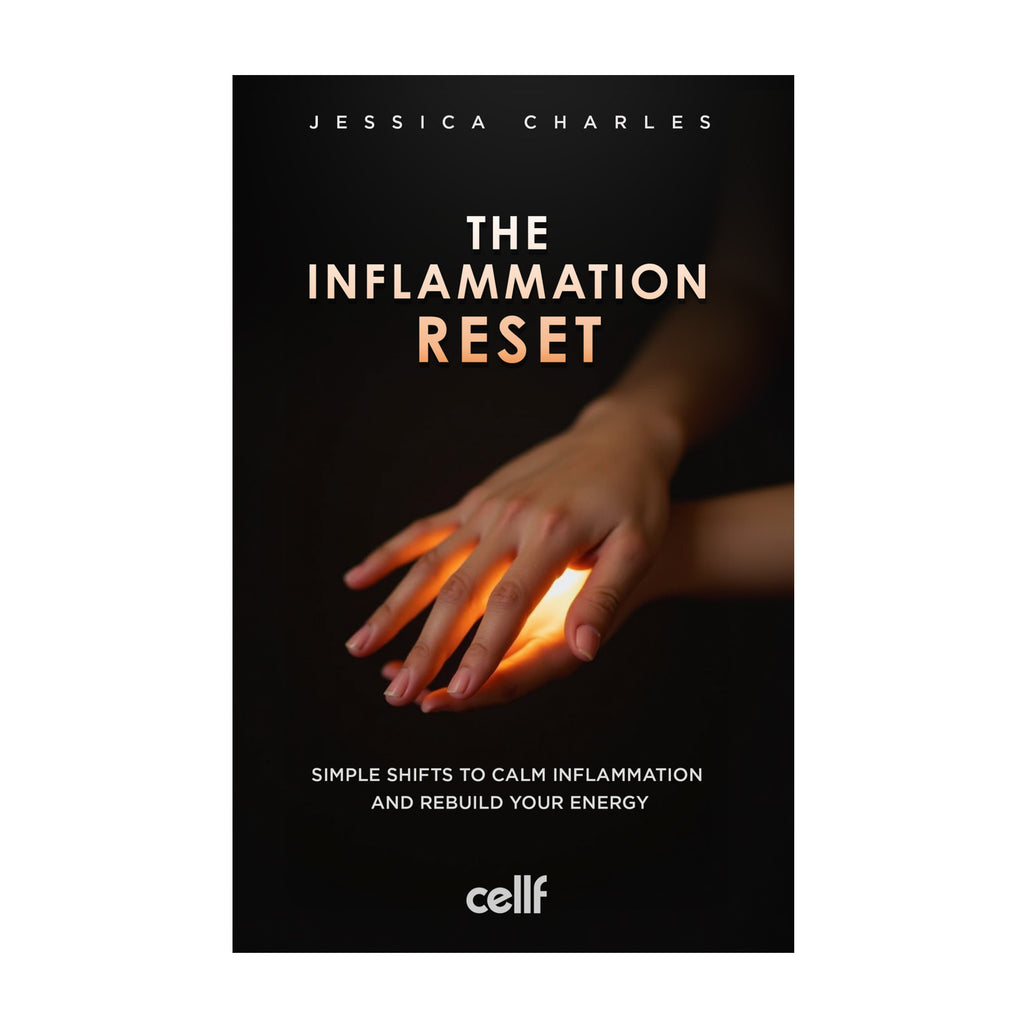
Inflammation is not always the enemy. In fact, it is an essential part of the body’s natural defense and repair system. It helps fight infection, respond to injury, and recover from physical stress.
The problem begins when that inflammatory response stays activated longer than necessary.
Persistent fatigue, brain fog, puffiness, bloating, mood changes, and hormonal fluctuations are among the everyday signs discussed in The Inflammation Reset. The guide also emphasizes an important point: nutrition matters, but inflammation can be influenced by much more than what is on your plate. Stress, disrupted sleep, insufficient movement, nighttime light exposure, and emotional strain can all contribute to an inflammatory lifestyle.
That means supporting a healthy inflammatory response isn't necessarily about following a more restrictive diet. It can start with something much simpler: changing the signals your body receives throughout the day.
What Causes Chronic Inflammation?
Modern life can make recovery difficult.
Long workdays, processed foods, high stress, late nights, constant screen exposure, poor sleep, and too little movement can place additional demands on the body. You might notice that you wake up tired, feel stiff in the morning, experience an afternoon energy crash, or simply don't feel as resilient as you once did.
The Inflammation Reset approaches these issues through a flexible three-level system rather than a rigid protocol. Level 1 focuses on foundational practices such as breathing, hydration, natural light, and gentle movement. Level 2 adds consistent daily wellness rituals, while Level 3 explores deeper strategies involving nutrition, nervous-system recovery, circulation, and advanced wellness technologies.
The key idea is simple:
Your wellness routine should meet you where you are.
Some days call for the basics. Other days allow for a more complete recovery routine.
1. Start With Your Nervous System
One of the simplest ways to begin an inflammation reset is to slow down your breathing.
Stress isn't purely psychological. The body's stress response affects breathing, muscle tension, hormones, sleep, and recovery. Slow, intentional breathing is used in the guide as a way to encourage the body's parasympathetic—or rest and repair—state.
Try this simple breathing exercise:
Inhale gently for 4 seconds.
Exhale slowly for 6 seconds.
Repeat for 2–5 minutes.
The longer exhale is particularly useful when you're transitioning out of a stressful part of the day.
Consider doing it before opening your email in the morning, after a difficult meeting, during your afternoon break, or before bed.
You don't need an hour-long meditation session. A few intentional minutes can become a powerful daily recovery ritual.
2. Hydrate Before Reaching for More Caffeine
Hydration is another foundational part of the inflammation reset.
The guide recommends regular water intake throughout the day to support normal circulation, lymphatic function, energy, and mental clarity.
A simple habit is to drink water before your first—or next—cup of coffee.
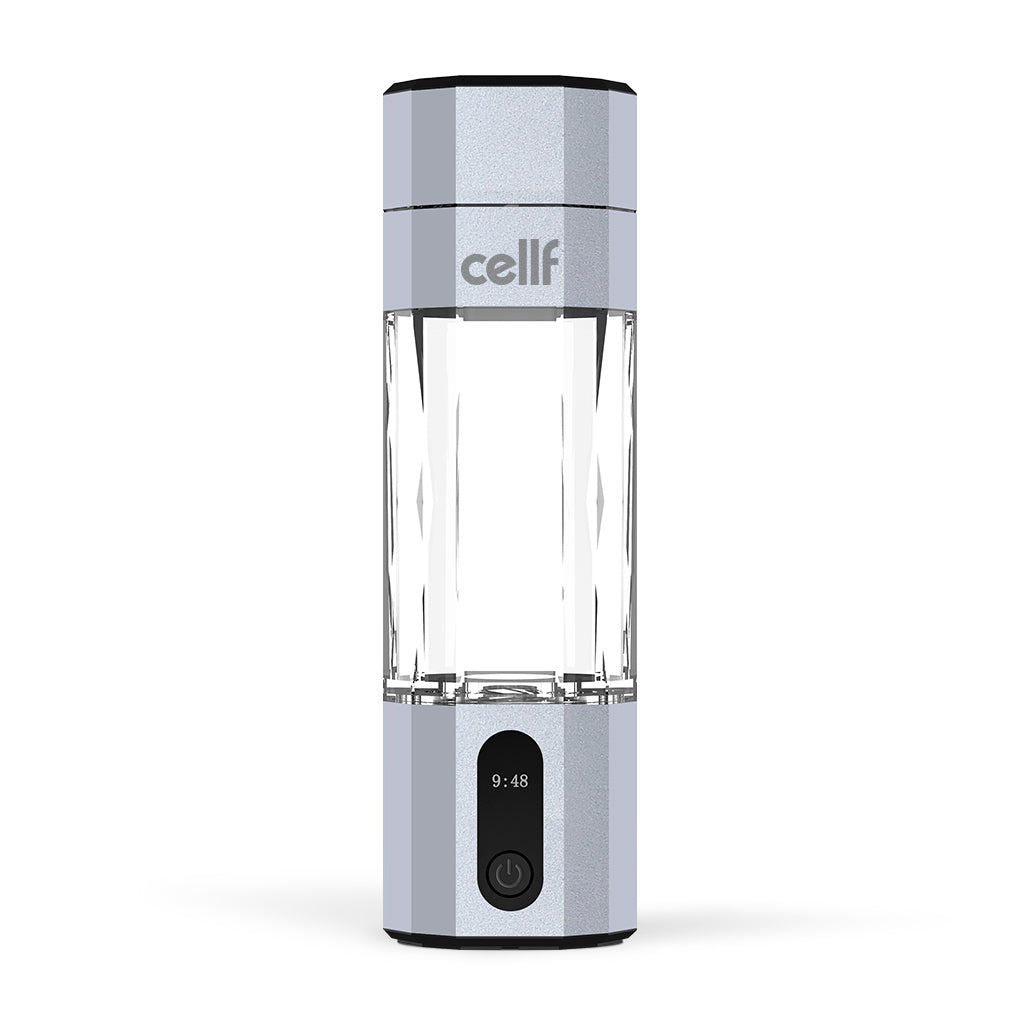
For those looking to take their hydration routine further, The Inflammation Reset also explores molecular hydrogen water. The book highlights research into hydrogen-rich water and oxidative stress, including human studies examining inflammatory and metabolic markers.
The Cellf Alchemy H2 Hydrogen Water Bottle is featured in the guide as a portable way to incorporate hydrogen-rich water into a daily wellness routine.
Instead of thinking about hydration as another task, make it an anchor: wake, hydrate, then begin your day.
3. Get Natural Light in the Morning
Your body's relationship with light is one of the most overlooked parts of recovery.
Natural morning light helps synchronize the circadian rhythm—the internal clock involved in regulating wakefulness and sleep. The guide connects consistent morning light exposure with healthier daily cortisol patterns, sleep, and mood.
One of the easiest habits you can adopt is simply stepping outside shortly after waking.
Pair your morning light with a few minutes of walking or stretching and you've combined two inflammation-reset habits at once.
At night, reverse the strategy.
Reduce bright overhead lighting, dim your environment, and create a clear transition between daytime activity and nighttime recovery. The Inflammation Reset emphasizes that light exposure is foundational to the body's daily rhythm, influencing sleep, hormones, recovery, and mood.
4. Move for Circulation—Not Just Calories
Exercise doesn't always need to be intense.
When you're exhausted or under significant stress, more intensity isn't necessarily what your body needs. Walking, stretching, yoga, and other gentle movements can support circulation while helping release muscle tension.
The book recommends something as approachable as 5–10 minutes of gentle stretching or a slow walk on days when you feel stiff or foggy.
A particularly useful time to move is after eating.
A brief walk after lunch gives you an opportunity to step away from work, move your muscles, and establish a healthy midday rhythm. The guide specifically incorporates short post-meal walks into its Level 2 reset.
The goal isn't to burn as many calories as possible.
Think flow, not punishment.
5. Don't Ignore Your Lymphatic System
If you regularly wake up feeling puffy, heavy, or swollen, your lymphatic system deserves attention.
The lymphatic system helps manage excess fluid, transport cellular debris, and circulate immune cells. Unlike blood circulation, however, lymph doesn't have a heart acting as a central pump.
Instead, lymphatic movement depends heavily on breathing and muscular movement.
Modern habits can work against this process. Long periods of sitting, shallow breathing, chronic stress, and restrictive clothing are among the factors highlighted in the guide.
Simple lymph-supporting rituals can include:
-
Walking and stretching throughout the day
-
Deep diaphragmatic breathing
-
Gentle dry brushing
-
Gua sha or self-massage
-
Light bouncing or rebounding
-
Heat and infrared wellness practices
The goal isn't simply to "de-puff." It's to make regular movement and circulation part of your overall wellness routine.
6. Explore Red and Near-Infrared Light Therapy
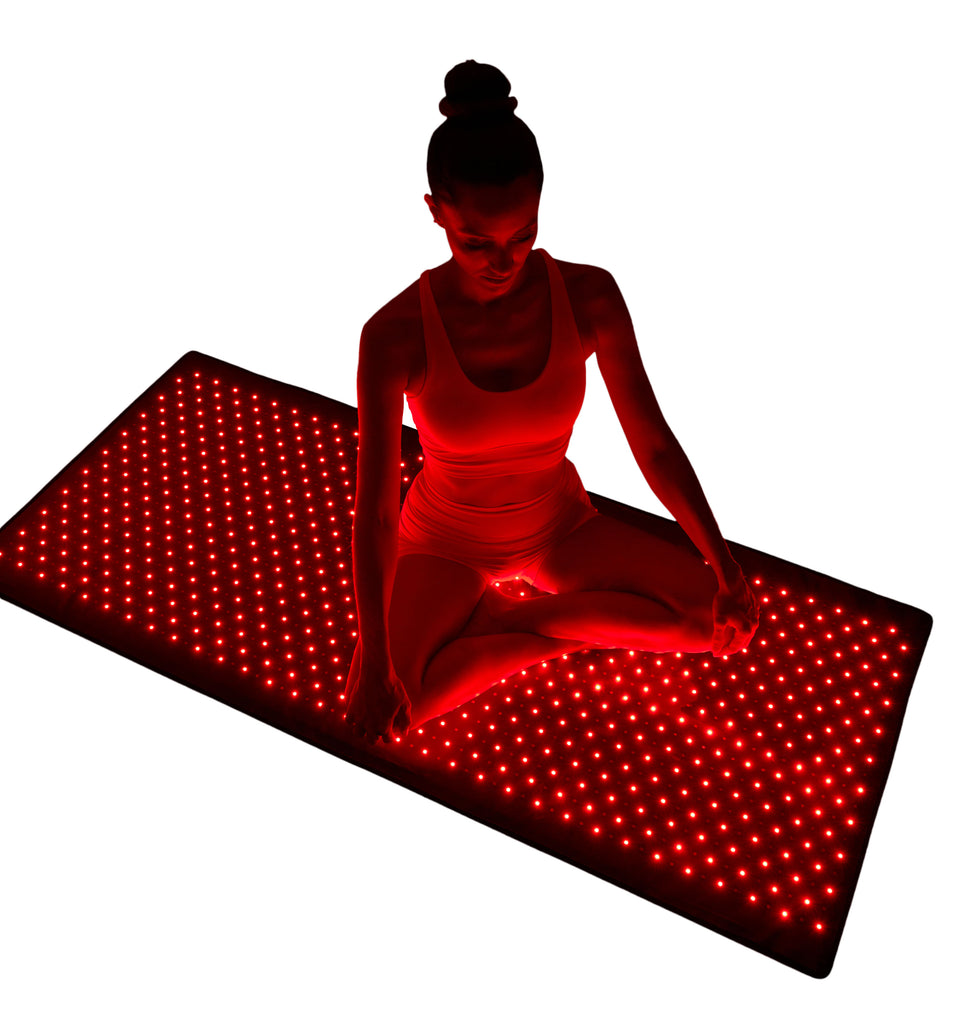
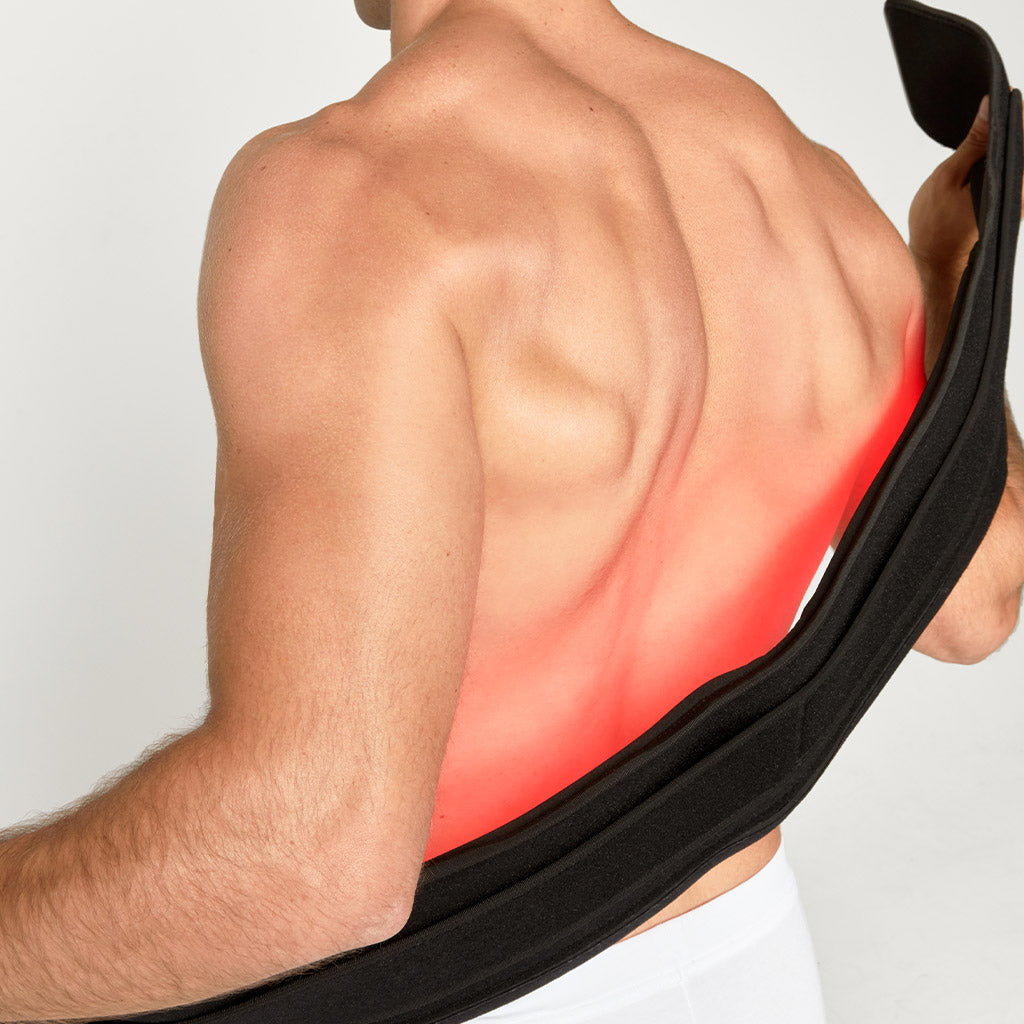
Red and near-infrared light therapy—often called photobiomodulation—has become increasingly popular as an at-home recovery technology.
The Inflammation Reset discusses research involving photobiomodulation and infrared therapies in areas including joint function, circulation, and lymphedema.
This is also where wellness technology can make consistency easier.
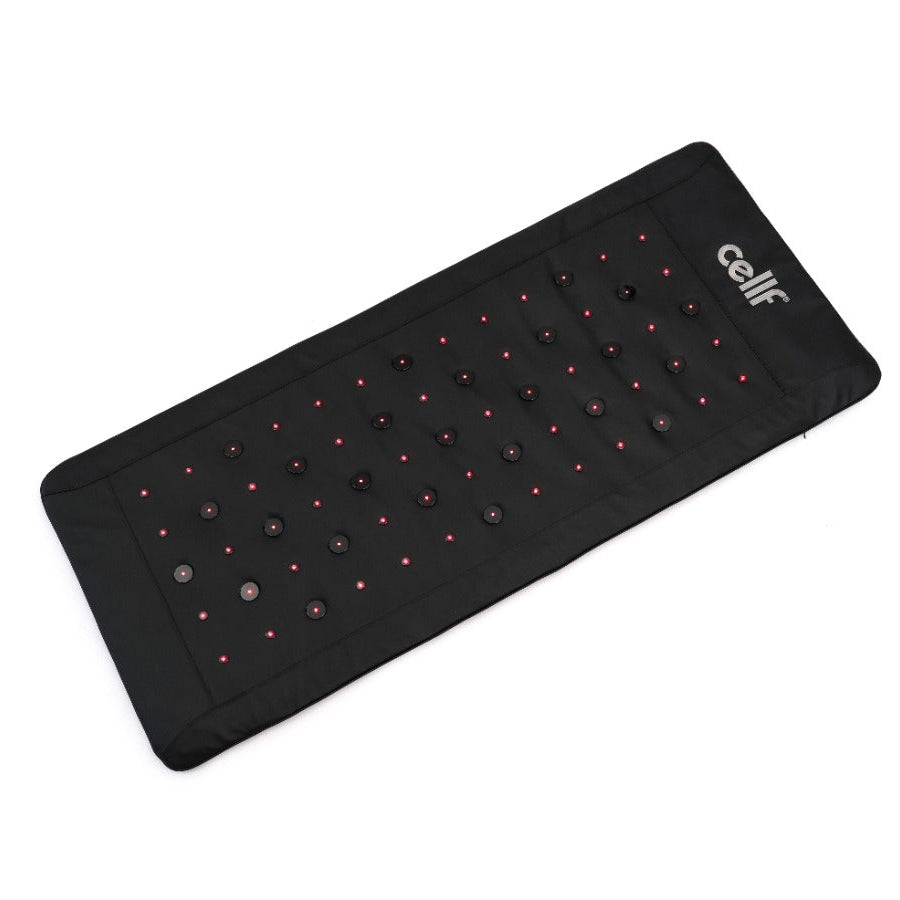
The Nushape Lipo Wrap is featured in the guide as a portable red and near-infrared light therapy device that can be incorporated into a home routine. The book also discusses Nushape Therapy Wraps and mats as convenient ways to integrate light-based wellness into periods of rest and recovery.
Rather than treating technology as a replacement for healthy habits, think of it as another layer.
Hydration, movement, sleep, light exposure, and stress management remain the foundation.
7. Consider PEMF as Part of a Recovery Routine
Another technology discussed in The Inflammation Reset is PEMF, or pulsed electromagnetic field therapy.
The guide describes PEMF as a recovery tool and reviews research examining its use for pain and function, including clinical research involving osteoarthritis.
The book's deeper recovery approach combines these kinds of tools with foundational habits rather than positioning them as standalone solutions.
A recovery session, for example, might look like:
10–15 minutes of quiet time + slow diaphragmatic breathing + a PEMF or therapy mat session.
That combination also creates something many people are missing: genuine stillness.
8. Create Real Rest—Not Just Screen Time
Sitting on the couch scrolling through your phone may feel like rest, but your nervous system is still processing stimulation.
The book makes an important distinction between stillness and distraction.
Ten quiet minutes in low light, slow breathing, or simply lying down without digital stimulation creates a very different environment from scrolling, multitasking, and background noise.
Try establishing a short evening transition:
Put your phone away.
Dim the lights.
Take a few slow breaths.
Stretch.
Journal.
Use your red light or therapy mat.
Then prepare for sleep.
The routine doesn't need to be complicated. Repetition is what turns it into a recognizable signal that the active part of the day is over.
9. Support Your Gut With Simple, Balanced Nutrition
Food still matters—it just isn't the entire inflammation story.
The deeper reset outlined in the book emphasizes whole foods, adequate protein, fiber, microbial diversity, consistent meals, and stable blood sugar rather than extreme restriction.
One simple approach is to build meals around:
Protein + fiber + colorful plants + healthy fats.
The book also includes approachable recipes such as an anti-inflammatory morning elixir with lemon, turmeric, and black pepper, a blueberry-and-ginger lymph-support smoothie, and an evening tonic with cinnamon and cacao.
The objective is sustainable nourishment—not another diet you can't maintain.
Your 3-Level Daily Inflammation Reset
One of the most useful ideas in The Inflammation Reset is that wellness doesn't have to look identical every day.
Level 1: Bare-Minimum Reset
For low-energy or extremely busy days:
Hydrate → breathe → get natural light → move gently → create a few minutes of stillness.
That's enough.
Level 2: Gentle Rhythm Reset
When you have more capacity:
Add a morning circulation ritual, short movement breaks, lymphatic support, an after-lunch walk, and a low-light evening wind-down.
Level 3: Deep Recovery Reset
When you want to prioritize deeper recovery:
Focus on gut-supportive meals, breathwork, restorative movement, emotional release, sleep rituals, and optional recovery technologies such as red light, infrared, or PEMF therapy.
The book intentionally treats these levels as a menu rather than rigid steps. Your routine can change according to your energy and needs.
The Best Inflammation Reset Is the One You'll Actually Do
Supporting a healthy inflammation response doesn't have to begin with an extreme detox, restrictive diet, or two-hour morning routine.
It can begin with water.
Five deep breaths.
A few minutes outside.
A walk after lunch.
Ten quiet minutes without your phone.
A consistent red light or PEMF recovery ritual.
An earlier bedtime.
The central philosophy of The Inflammation Reset is remarkably practical: consistency matters more than intensity. The guide encourages choosing the rituals that match your energy instead of trying to do everything perfectly.
Small actions become rhythms. Rhythms become habits. And sustainable habits create the foundation for better energy, recovery, sleep, and everyday wellness.
Ready to build your own recovery ritual? Explore Nushape and Cellf wellness technologies designed to make light therapy, PEMF, hydrogen-rich hydration, and at-home recovery easier to integrate into everyday life.